


Summer Institute 2026 will be held online via Zoom on Tuesday, July 14th and Wednesday, July 15th, 2026. We will offer 3 unique sessions on Tuesday and 3 unique sessions on Wednesday. Professional Development certificates that meet annual licensing requirements will be provided for each session you attend.
Registration for this event has ended. Certificates will be sent out soon. We look forward to seeing everyone again next summer!
If you have any questions, please email us at labschool@utexas.edu.
Day 1: Tuesday, July 14, 2026
Empowered from the Start: Instilling Self-Esteem and Agency in Young Children
This session explores the practical strategies for nurturing healthy self-esteem and a strong sense of agency in young children. Participants will learn how everyday interactions, language, play, and teacher practices influence children's self-perception, confidence, resilience, and belief in their ability to make choices and affect outcomes. The session will cover age-appropriate ways to encourage independence, support problem-solving, recognize effort and growth, foster emotional competence, and create environments where children feel valued, capable, and heard. Through discussion and examples, participants will gain tools to help children develop a positive self-image, confidence in their abilities, and the motivation to engage actively with the world around them.Lara Pauley, MEd | Associate Professor of Practice
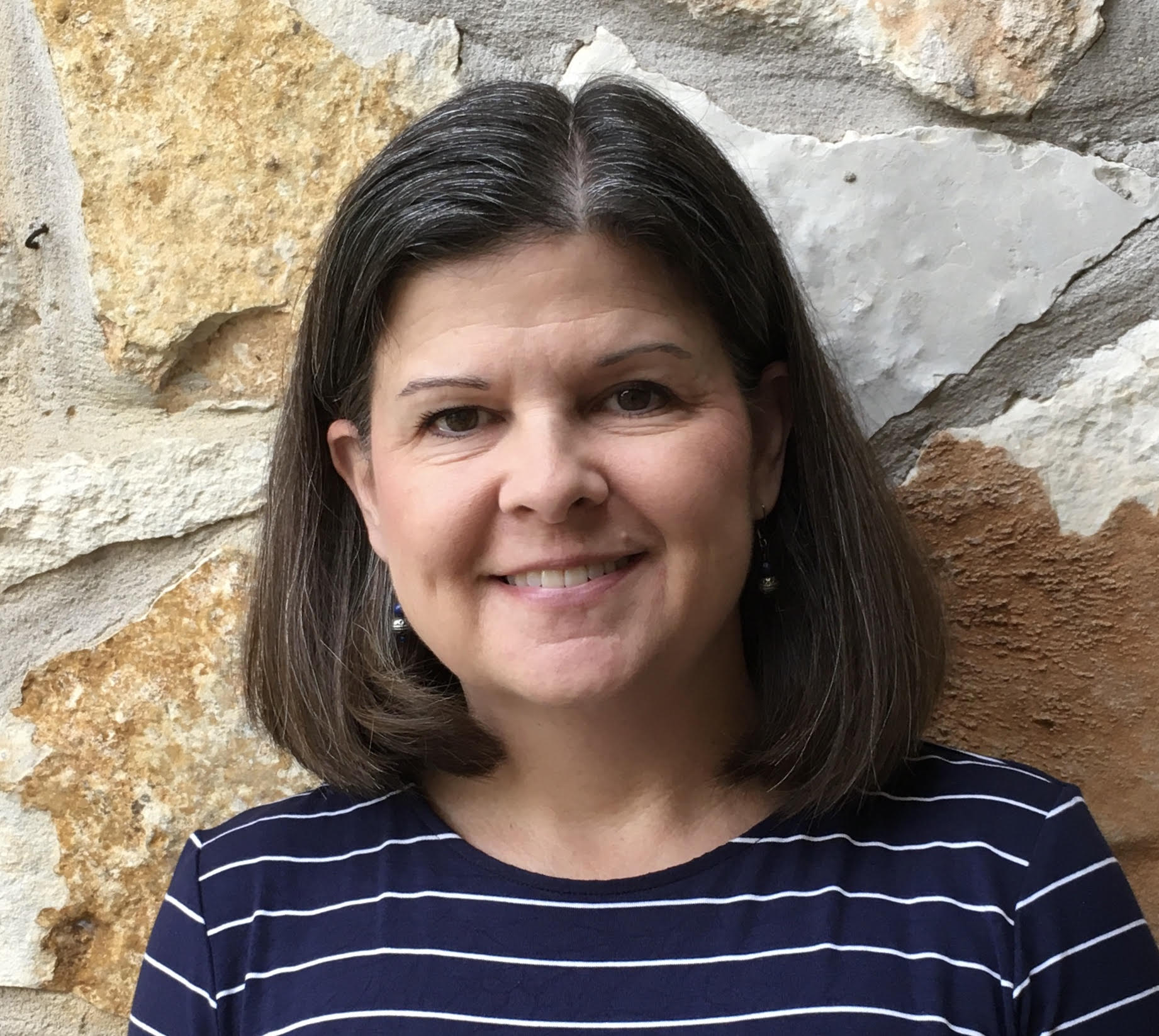
Lara Pauley is the Master Teacher in the Plum and Maple Classrooms at the Lab School. Lara received her BS at The University of Texas at Austin in Child Development and Family Relationships. She took classes requiring involvement with the Lab School and completed her practicum at the Lab School. She received her MEd with a focus in Early Childhood from The University of Texas at Tyler. Lara is passionate about helping children build a strong self-concept and social-emotional health in a positive classroom that enriches all areas of development. Her interests outside of school include enjoying time with family and friends and reading.
Curious Eaters: Supporting Young Eaters and Food Exploration in Early Childhood Classrooms
Young children learn about food long before they taste it. This session explores how meaningful, repeated exposure to foods through cooking, snack time, gardening, and everyday classroom routines can build familiarity, confidence, and curiosity. Participants will learn developmentally appropriate strategies for engaging children with foods in ways that reduce pressure and encourage exploration, helping lay the foundation for positive lifelong relationships with food.Kari Chevalier, MEd | Health, Safety, and Nutrition Specialist

Kari holds a bachelor’s degree in Elementary Education from the University of Maryland. She completed her master’s degree in Early Childhood Education at Arkansas State University. She is a former public-school teacher with early childhood certification. Most recently, Kari served as the director of children’s programming at Midtown Church. In that role, she managed numerous responsibilities similar to the ones she’ll have with us, including planning and preparing snacks, addressing food allergies and special needs, purchasing and organizing materials, and maintaining required health and safety procedures.
Kari grew up in Maryland with her sisters but got to Austin as fast as she could. She has lived in Austin since 2009, with a two-year hiatus in Tampa. Kari was a competitive cheerleader in college! She has been a foster parent for the past three years. In her free time, Kari likes to be with her husband and their four children. She also enjoys reading and playing board games.
Regulating Through Relationship: Play-Based Strategies for Social-Emotional Growth
Child-Teacher Relationship Therapy (CTRT) is a powerful, evidence-based framework for early childhood professionals, allowing educators to integrate Child-Centered Play Therapy techniques into one-on-one play sessions and eventually within whole classroom settings. While formal training and consistent sessions may not be feasible in many settings, teachers can still benefit from the primary focus: strengthening teacher-child relationships and understanding play as a means of communication. In this session, participants will gain valuable tips for relationship-centered care and facilitating emotional regulation with young children.Erin Soward, BS | Administrative Assistant

Erin Soward graduated from the University of Texas at Austin with a bachelor of science in Human Development and Family Sciences, with a concentration in Early Childhood. She has a passion for children’s mental health and is currently pursuing her master’s degree in Clinical Social Work here at UT. She was involved at the PPFCFL as a Research Assistant and an Undergraduate Learner in the Crape Myrtle and Plum classrooms. In the past, she has had experience with research, as well as hands-on guidance in Austin’s children’s museum, the Thinkery. In her free time she enjoys baking, crafting, and attempting to try every queso in the city of Austin!
Day 2: Wednesday, July 15, 2026
Leadership: Realizing Our Full Potential Through Collective Leadership
Unlike traditional leadership which often relies on a hierarchical and directive style led by one individual, collective leadership is the idea of a group of people with a shared vision working toward a common goal. Collective leadership assumes that everyone is capable of and should aspire to lead. Collective Leadership is defined by shared responsibility and decision making by individuals using their unique qualities, perspectives, and experiences to successfully work toward a goal. Collective leadership can result in better decisions, increased buy-in from the group, and opportunities for individuals to realize their full potential. Collective leadership is “leaderful” meaning that the leadership potential of members of the group is attained.Dawn Leach, MS | Early Childhood Consultant and Trainer
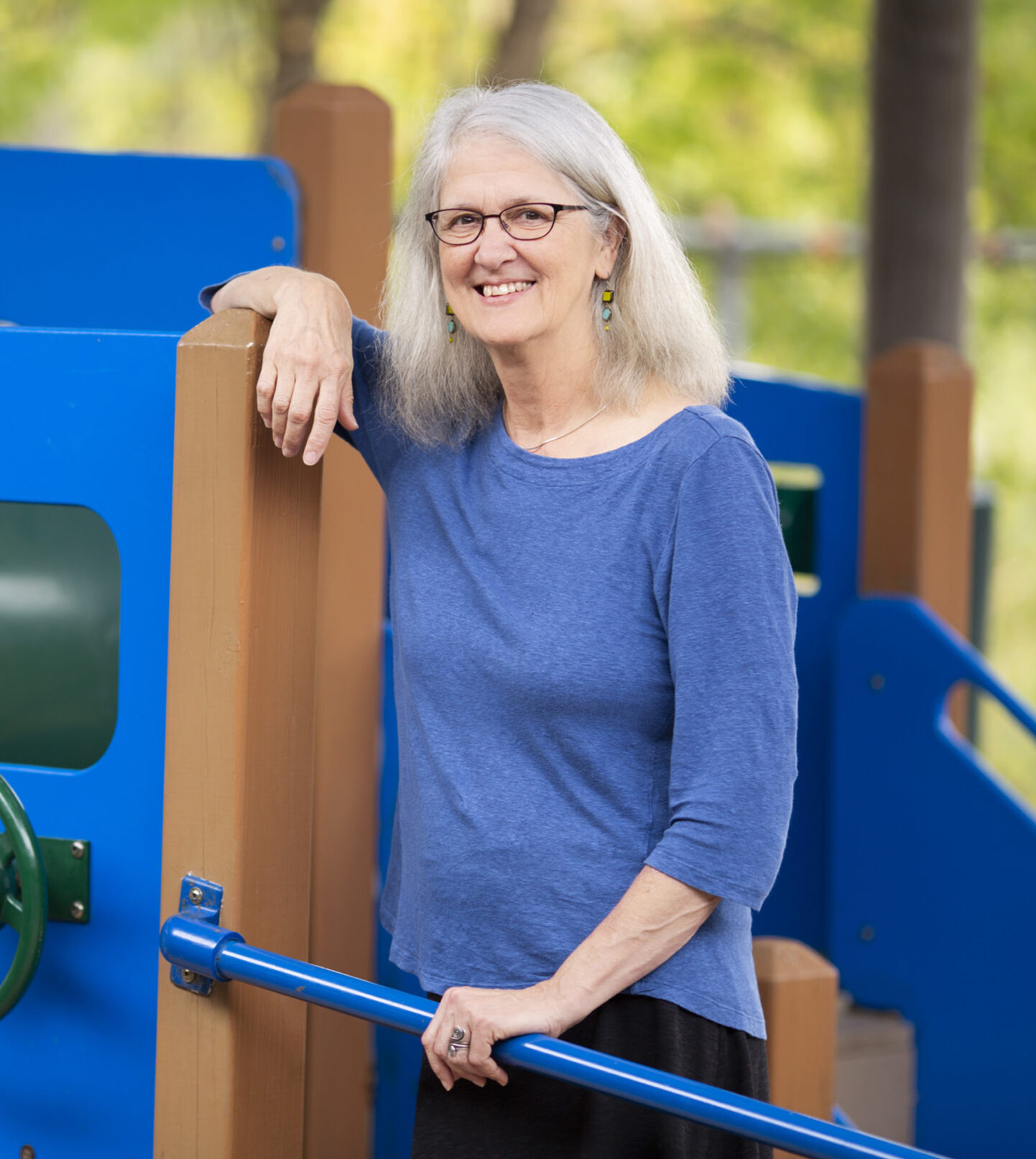
Dawn Leach has had the privilege of being part Austin’s amazing early childhood community in for over 45 years. She recently retired from the Austin Community College Children's Lab School and continues to serve as adjunct faculty in the ACC Child Care and Development Department. She has a variety of experiences in early childhood, including family day home provider, preschool teacher, program director, education director, parent educator, adjunct faculty, and adult trainer. She received her BS in Child Development from the University of Texas at Austin and her MS in Child Development from Texas Woman’s University. Her leisure time is spent being the grandparent of a delightful two-year-old granddaughter, walking her dog, gardening and yard work, hiking, cooking, and spending time with friends and family.
From Scribbles to Stories: Supporting Early and Emergent Writers in Meaningful Ways
Young children are natural communicators long before they become conventional writers. In this session, we will explore how writing develops in early childhood, and how intentional, developmentally appropriate practices can support even our youngest writers. We will examine strategies that nurture creativity, confidence, oral language, and literacy through authentic and joyful writing experiences, and look at real classroom examples that integrate meaningful writing opportunities into centers, free play, read-alouds, shared experiences, and everyday classroom routines. Participants will leave with engaging, ready-to-use ideas that contribute to a classroom environment where all children see themselves as capable and valued writers.Becca Johnson, MEd | Associate Professor of Practice
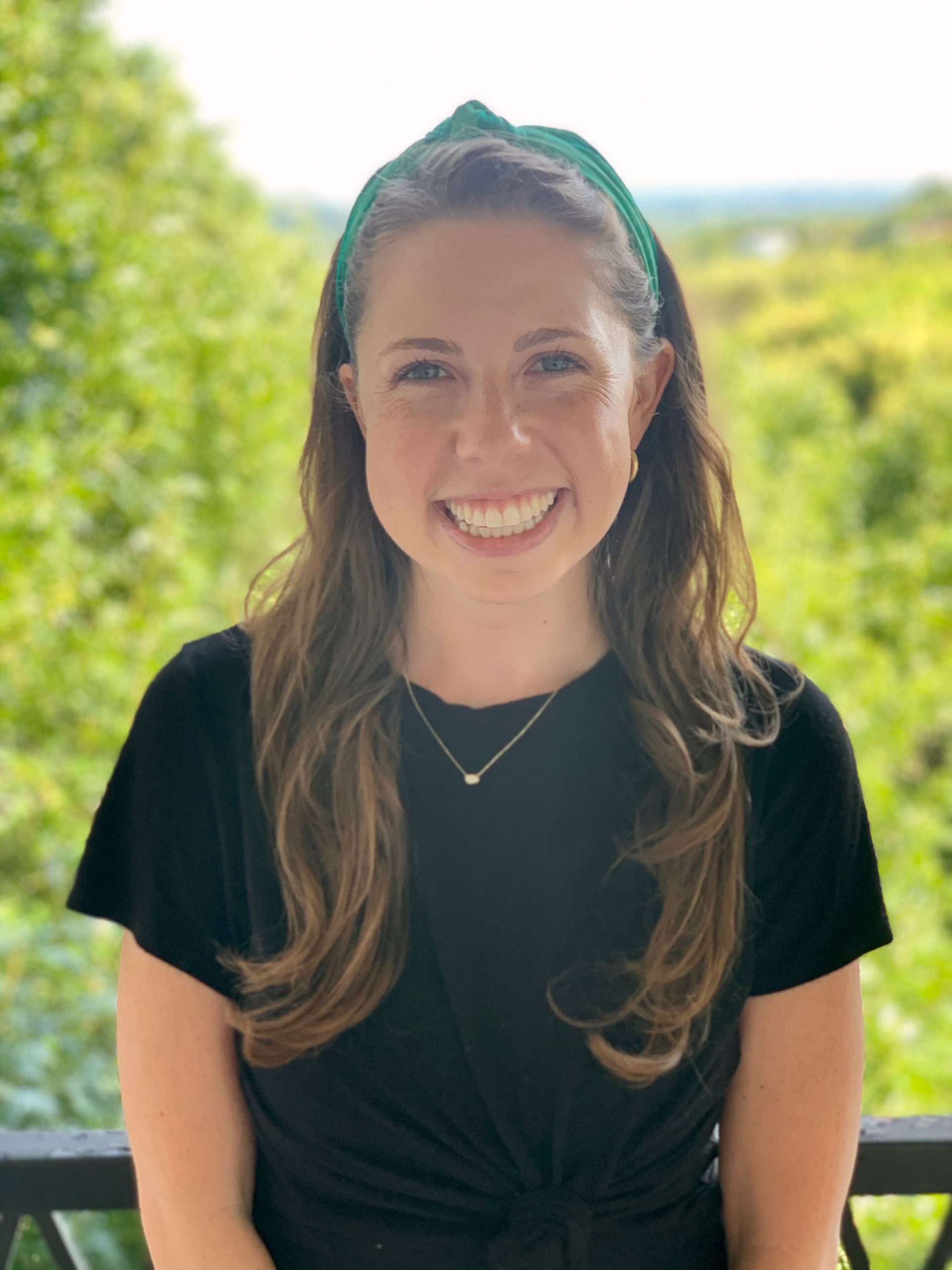
Becca Johnson is the Master Teacher in the Pecan classroom at the Lab School. Becca has her B.S. in Human Development and Family Sciences, with a focus in Early Childhood, from the University of Texas at Austin. She earned her M.Ed. in Educational Leadership and Policy Studies from the University of Texas at Arlington.
Becca spent much of her time as an undergraduate in various Lab School classrooms and completed her practicum in the Magnolia classroom. She went on to become a certified teacher and work in the Houston Independent School District for 5 years, teaching 3rd grade and pre-k. In addition to teaching in HISD, Becca served as the pre-k team lead on her campus, as well as a mentor to a new pre-k teacher.
Becca believes very strongly in the power of play and giving children the freedom to make choices based on their individual interests and abilities.
Beyond Picky Eating: How Family-Style Meals Can Transform Children's Eating Behaviors—and Parents' Mealtime Experience
Family-style meals are a hallmark of many early childhood classrooms, yet relatively little research has explored what happens when these practices extend into the home. In this session, pediatric dietitian and lead researcher Marissa Epstein, RDN, shares findings from a pilot study conducted with families of preschool-aged children examining whether education, practical tools, and a structured family-style meal protocol could improve children's mealtime behaviors and parents' experiences. Participants will learn how families new to family-style dining experienced fewer problematic mealtime behaviors, more structured meals, and significantly lower stress and negative emotions surrounding mealtimes after the intervention. Beyond the research, attendees will leave with practical strategies they can immediately share with families—including simple ways to foster children's independence, reduce power struggles around food, and strengthen the connection between classroom mealtime practices and home routines. The session will also highlight the role early childhood educators can play as trusted partners in helping parents build lifelong healthy eating habits.Marissa Epstein, RDN | Pediatric Dietitian and Associate Professor of Practice

Marissa Epstein is a pediatric dietitian, educator, and nutrition innovator whose work focuses on helping children develop healthy relationships with food from the very beginning of life. As the lead researcher behind the Eating Together study, conducted in partnership with the University of Texas at Austin Lab School, she led the design and evaluation of a parent education program exploring how family-style meals influence children's eating behaviors, attitudes, and family mealtime experiences. Her work bridges nutrition science, early childhood education, and behavioral design to create practical, evidence-based tools that empower educators and parents to raise confident, adventurous eaters. Marissa has previously led nutrition initiatives at The White House with Michelle Obama's Let's Move! campaign, directed the University of Texas Nutrition Institute, and now teaches nutrition innovation and entrepreneurship at the McCombs School of Business.